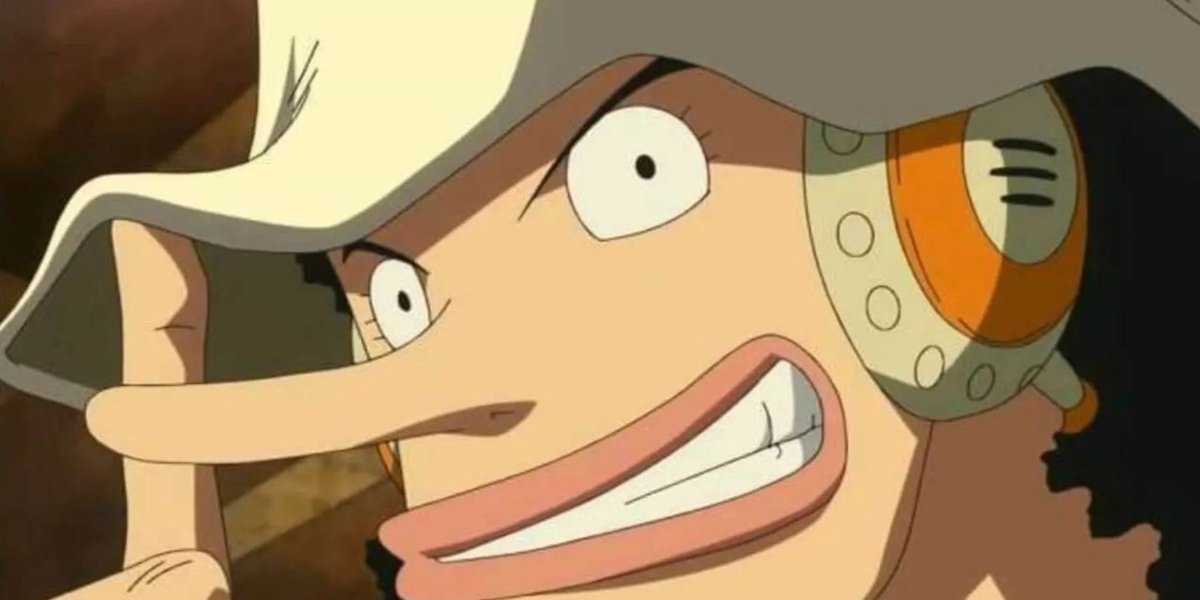
Imagine a world where the boundless spirit of adventure collides with the chilling grasp of existential dread. What happens when the Straw Hat Pirates' brave (yet often cowardly) sniper, Usopp, somehow finds himself not on the Grand Line, but within the sinister confines of Grace Field House? This isn't just a whimsical thought experiment; it's a deep dive into one of the most intriguing "what-if" scenarios for fans of both One Piece and The Promised Neverland. This super pillar hub article will unravel how Usopp's unique blend of ingenuity, fear, and unwavering loyalty could utterly reshape the dark saga of children escaping their fate as demon livestock.
At its core, The Promised Neverland (TPN) thrusts us into a seemingly idyllic orphanage where children live happily, taking daily exams and playing freely—until the horrifying truth of their existence is revealed. Emma, Norman, and Ray, three of the brightest children at Grace Field House, discover they are merely high-quality sustenance for a world ruled by sentient demons. Their journey is one of desperate escape, strategic planning, and a relentless fight for freedom, set against a backdrop of suspense, mystery, and profound ethical dilemmas. It's a tale that challenges notions of trust, identity, and the very definition of humanity.
The Grim Reality of The Promised Neverland's World
The world of The Promised Neverland is a meticulously crafted, dualistic reality. A thousand years ago, a promise was forged, dividing humans and demons into separate realms. The human world thrives free, while the demon world sustains itself through specialized "farms" disguised as orphanages. Here, human "Mothers" raise children to intellectual perfection, ensuring they become premium food. These children, marked with identifying numbers, believe they're awaiting "adoption," oblivious to the horrific truth until their "harvest" day arrives.
Our story begins in 2045 at Grace Field House, home to Emma, Norman, and Ray. Their happy lives shatter when they witness their friend Conny's death, exposing the orphanage as a demon farm. This discovery ignites their resolve to escape with their siblings, leading them into a perilous world outside the walls. They face not only menacing demons but also the complex machinations of humans like Peter Ratri, who manages the farms, and even benevolent demons such as Mujika and Sonju. Their ultimate goal: to liberate all children and forge a new future, often at great personal cost.
Usopp: The Long-Nosed Navigator Enters a Dark World
Now, let's introduce Usopp. Known as "God" Usopp to some, and merely "long-nose" to others, he's the marksman of the Straw Hat Pirates, a master inventor, an unparalleled storyteller (or liar, depending on the situation), and a character often plagued by fear. Yet, when his friends are in danger, Usopp consistently finds incredible courage, facing down foes far stronger than himself. His world is one of vast oceans, fantastical islands, and direct, often over-the-top, combat against clear enemies.
The juxtaposition of Usopp's vibrant, high-seas adventure with TPN's claustrophobic horror creates a fascinating premise. How would his practical skills, his knack for improvisation, and his deeply ingrained loyalty to his friends translate to a scenario where the enemy is often unseen, disguised, and operates within a system of meticulous deception? The clash of these two narrative styles and character archetypes promises an exploration rich with new possibilities.
Deep Dive: Usopp's Role and Impact in Grace Field House
Integrating Usopp into the established narrative of The Promised Neverland isn't just about adding a new face; it's about observing how his core traits interact with and potentially disrupt the delicate balance of fear and survival.
One of the first questions we must ask is how the horrors of Grace Field House would shape Usopp. Would his characteristic cowardice paralyze him, or would the immediate, visceral threat to children ignite a protective bravery he rarely shows until pushed to the brink? Delve into this compelling question and more by understanding Usopp's Character Analysis within The Promised Neverland, where we explore his potential psychological journey.
Usopp's technical prowess, particularly his sharpshooting and inventive genius, would be invaluable. Imagine the strategic possibilities his "Pop Greens" could offer, creating distractions, traps, or even temporary shelters. His precise aim, even with a simple slingshot, could turn the tide in critical moments against surveillance systems or even demons themselves. To truly grasp the tactical advantage he brings, explore the surprising impact of Usopp's sniping skills within Grace Field House and see how his unique abilities could alter key escape sequences.
Beyond his technical skills, Usopp is a master of deception. While often used for comedic effect or to exaggerate his own feats, this ability could be a potent weapon in a world built on lies. Could he outwit Isabella, the master manipulator, or create elaborate diversions? His skill in crafting tall tales might even provide crucial misinformation to the enemy.
The interaction between Usopp and the main trio—Emma, Norman, and Ray—would be particularly dynamic. Emma's unwavering idealism, Norman's calculated strategy, and Ray's cynical pragmatism would all be challenged and complemented by Usopp's unique blend of fear, practicality, and underlying courage. His presence would introduce new layers to their leadership dynamics and problem-solving approaches. For a detailed breakdown of these fascinating relationships, check out the intriguing character dynamics between Usopp and the Grace Field children.
Finally, consider Usopp's perspective on the demons themselves. He's faced countless monstrous creatures in One Piece, but TPN's demons are different—sentient, manipulative, and deeply ingrained in an oppressive system. How would Usopp, accustomed to fighting and defeating his foes, react to creatures that view humans as mere cattle, not as formidable opponents? His usual bravado might falter, replaced by a chilling realization of the true horror. Discover how his worldview might shift in Usopp's unique perspective on the terrifying demons.
Rewriting Destiny: The Narrative Shift
Usopp's inclusion isn't just a character swap; it's a catalyst for significant narrative alteration. His skills, personality, and even his inherent weaknesses would undeniably shift the original plot. Imagine the early escape attempts with Usopp's inventions providing unseen advantages, or his storytelling capabilities inspiring hope (or spreading disinformation) among the younger children. The entire trajectory of the children's journey, from their initial escape to their encounters in the outside world, would be fundamentally different.
To truly understand the butterfly effect of his presence, dive into how Usopp's presence would fundamentally change the plot of The Promised Neverland. This altered timeline could lead to earlier discoveries, different allies, or even entirely new adversaries. What if Usopp's inventions allow for a more successful initial escape, saving more children? Or what if his fear leads to unforeseen complications? These possibilities are endless and exhilarating.
Ultimately, Usopp’s presence could even challenge the very climax and resolution of the original story. The path Emma takes to renegotiate "The Promise" might be entirely different if she had Usopp's unique perspective and capabilities by her side. Explore the boundless potential of crafting entirely new narrative possibilities and even a different ending that only a character like Usopp could bring.
Clash of Philosophies: Freedom, Lies, and Survival
Central to The Promised Neverland are profound themes of freedom versus security. The children are offered a false sense of security in exchange for their ultimate demise, forcing them to choose liberty at an immense personal cost. Usopp, a member of the Straw Hat Pirates, embodies the purest form of unwavering pursuit of freedom. His entire journey is predicated on helping Luffy achieve his dream of being the Pirate King, a symbol of ultimate liberty.
This core philosophical difference sets the stage for compelling drama. How would Usopp's steadfast belief in absolute freedom interact with the terrifying compromises and sacrifices demanded by TPN's world? His values might inspire the children to push harder, or perhaps clash with the pragmatic decisions made by Norman or Ray. Unpack these intricate conflicts and more in the fascinating thematic clashes between Usopp's unwavering pursuit of freedom and TPN's stark reality of security.
Furthermore, both Usopp and The Promised Neverland utilize lies as a fundamental plot device. Usopp is a self-proclaimed liar, often exaggerating his deeds, while Grace Field House is built on a grand, horrific deception. How would Usopp navigate a world where lies are not merely tools for embellishment but instruments of systemic oppression? Would his understanding of deception give him an edge, or would it make him more susceptible to the psychological warfare waged by Isabella?
This fictional crossover, "Usopp in The Promised Neverland," is more than just an imaginative pairing. It's an opportunity to dissect character, plot, and theme in ways neither series could achieve on its own. By exploring these intricate possibilities, we gain a deeper appreciation for the rich storytelling of both One Piece and The Promised Neverland, inviting us to consider the endless ways our favorite characters could evolve under different, desperate circumstances. Now, go forth and explore each pillar to fully immerse yourself in this incredible theoretical journey!